Farmland for sale in India — soil that yields legacy.
Hand-curated orchards, vineyards, coffee estates and lifestyle farms across Karnataka, Maharashtra, Kerala & Tamil Nadu. Title-verified. 3D-walkable. Carbon-credit eligible.
Most listing portals show you a picture.
We show you the soil.
Every farmland on AgriDwell ships with a 3D walkthrough, 360° panorama and a video tour — so you can verify boundaries, drainage and orchards before you even visit.
3D walkthroughs
Spin, zoom, measure. Every listing renders the actual property in interactive 3D.
Unlimited fields
Sellers add every detail that matters — soil type, yield, title docs, water source.
Title-verified
Each listing is moderated by our team before going live. No more fake plots.
Smart filters
Search by crop, elevation, water-source, plant count or yield — not just price.
Curated this season
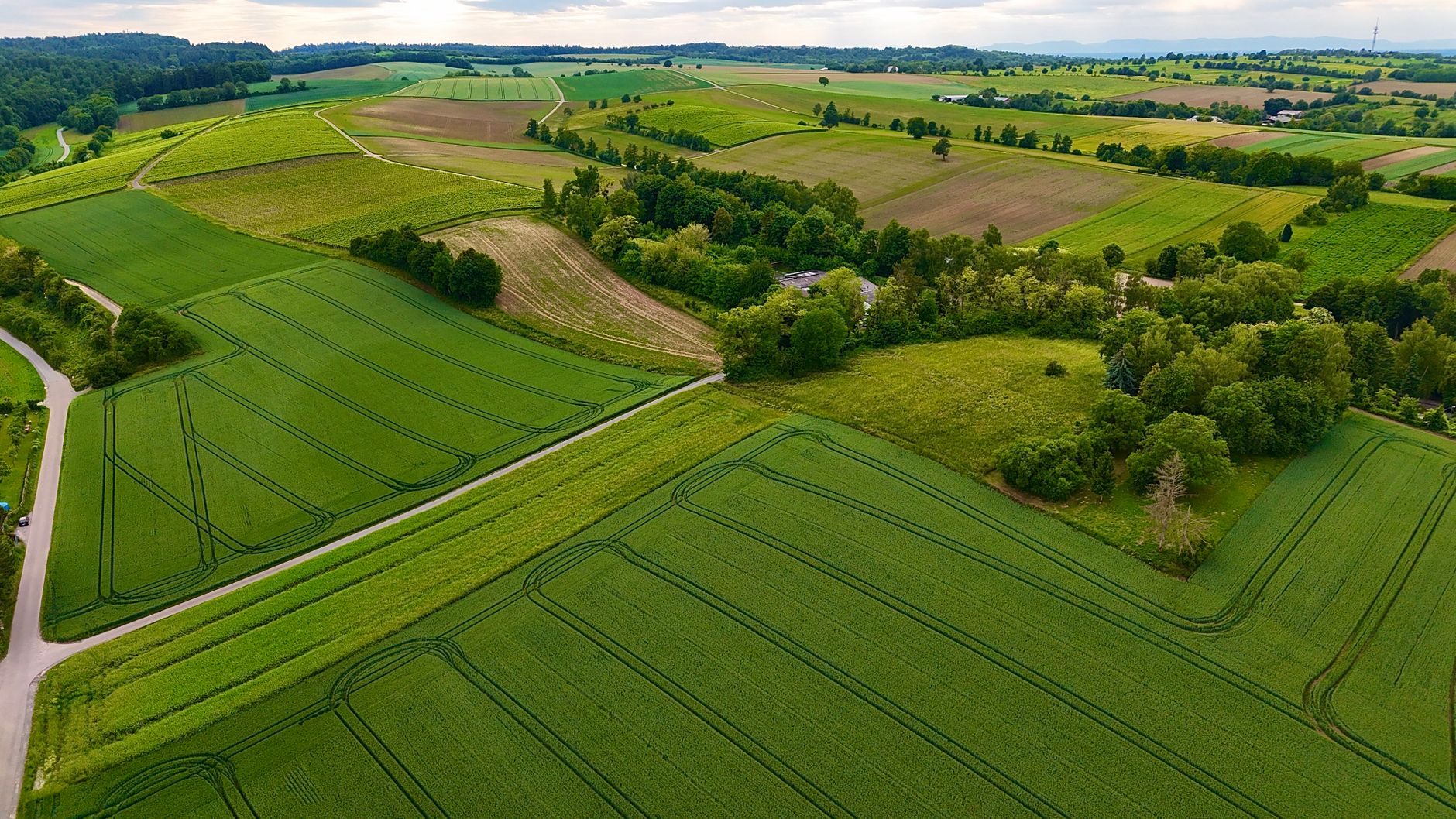
Vineyard Estate near Nashik

Riverside Paddy & Coconut Farm
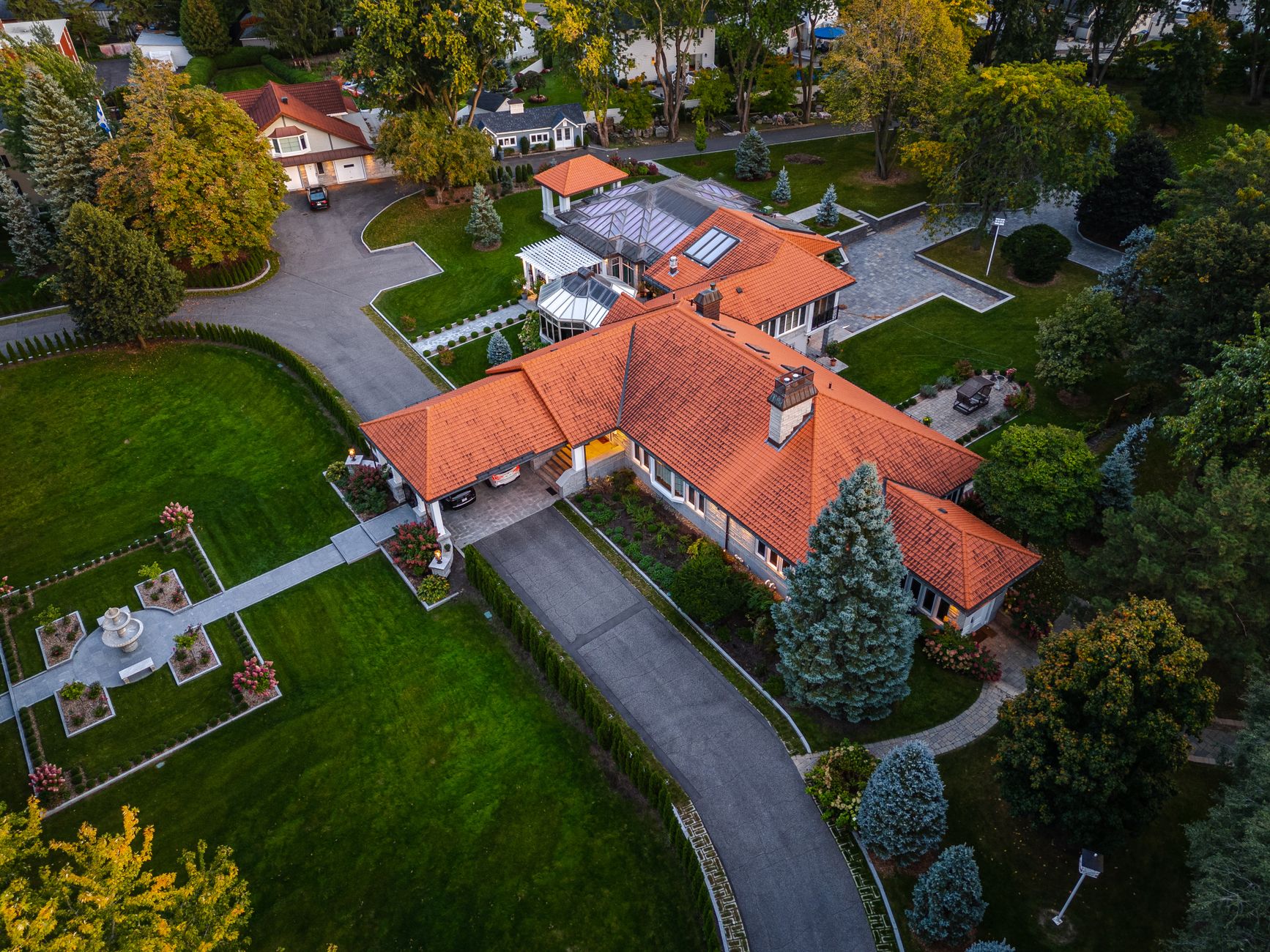
Coorg Coffee Estate with Pepper Vines
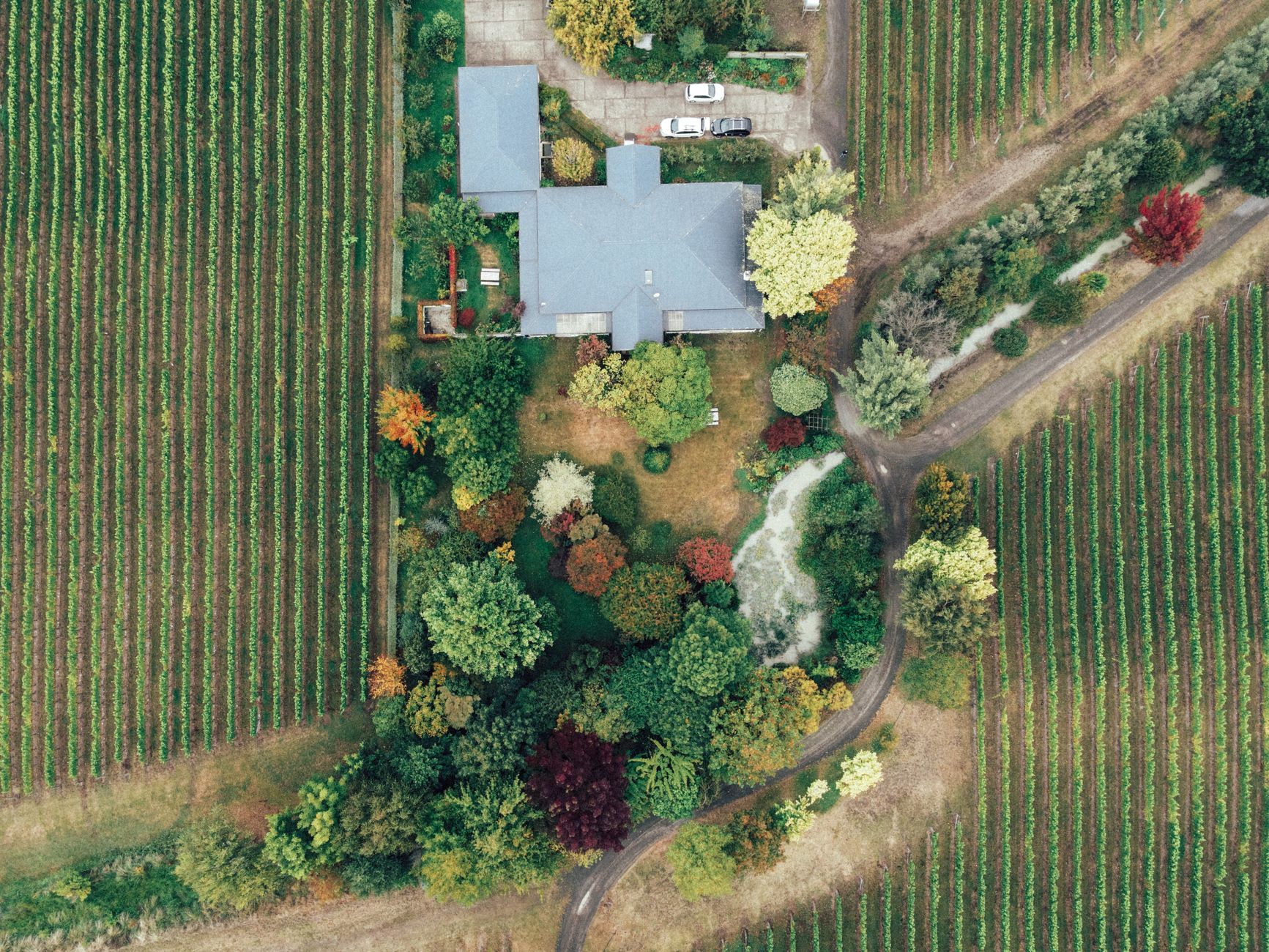
Heritage Mango Orchard Estate
Farmland for sale across India.
From Coorg coffee estates in Karnataka to Nashik vineyards in Maharashtra, Wayanad spice plantations in Kerala and Ooty hill orchards in Tamil Nadu — every state has its own farmland story. Pick yours.
Farmland in Karnataka
Farmland in Maharashtra
Farmland in Kerala
Farmland in Tamil Nadu
Farmland in Telangana
Farmland in Andhra Pradesh
Questions every farmland buyer asks.
Can urban Indians buy farmland in India?
Yes, in most states. The often-quoted 'only farmers can buy farmland' rule is misunderstood — it applies only in a few states like Maharashtra, Karnataka (for non-agriculturists in some categories), and parts of Gujarat. Even in those states, multiple legal routes exist: agricultural-purpose declarations, agriculturist certificates via existing landholdings, or buying through registered LLPs/companies for plantation crops. AgriDwell's diligence team confirms purchase-eligibility for every listing.
What is the average price of farmland for sale in Karnataka and Maharashtra?
Karnataka farmland ranges from ₹8 lakh per acre for dryland in Northern Karnataka to ₹3.5 Cr per acre for mature Coorg coffee estates. Maharashtra ranges from ₹5 lakh per acre for inland dry zones to ₹4 Cr per acre for Nashik vineyards or Ratnagiri Alphonso orchards near the coast.
Can I earn carbon credits from my farmland?
Yes. Plots with agroforestry, established trees, bamboo, or soil-restoration potential earn 18–32 tonnes of CO₂-equivalent per 10 acres annually. At Indian voluntary-carbon-market rates of ₹1,200–₹2,400 per tonne, this translates to ₹22,000–₹76,000 per acre, per year — entirely separate from crop income.
Which government schemes help me when I buy farmland?
PM-KISAN (₹6,000 annual DBT), Kisan Credit Card (4% interest loans up to ₹3 lakh), Agriculture Infrastructure Fund (3% interest subvention for warehouses & cold storage), PMFME (35% capital subsidy for food-processing units), and PMKSY (55%+ subsidy on drip irrigation). Most state governments add stamp-duty rebates of 1.5–4%.
How does AgriDwell verify farmland listings?
Every listing on AgriDwell carries a 23-point diligence score covering title (7/12 extract, mutation, encumbrance certificate), water (borewell yield, perennial sources), soil (NPK, pH, organic carbon), access (motorable road, gazetted survey number), and productivity (crop history, tree census). Listings are only published after the seller uploads supporting documents.
What is the right size of farmland to buy?
It depends on your goal. Weekend/lifestyle farms: 2–7 acres. Productive operating farms with manager: 8–25 acres. Portfolio investment leased to FPO: 30+ acres. AgriDwell tags every listing with archetype suitability to match buyer intent.
Sell to buyers who already know your soil.
List your farmland free. Buyers pay a small premium to unlock title docs, GPS and your contact — so you only hear from serious leads.
What we'd tell you before
you buy any farmland.
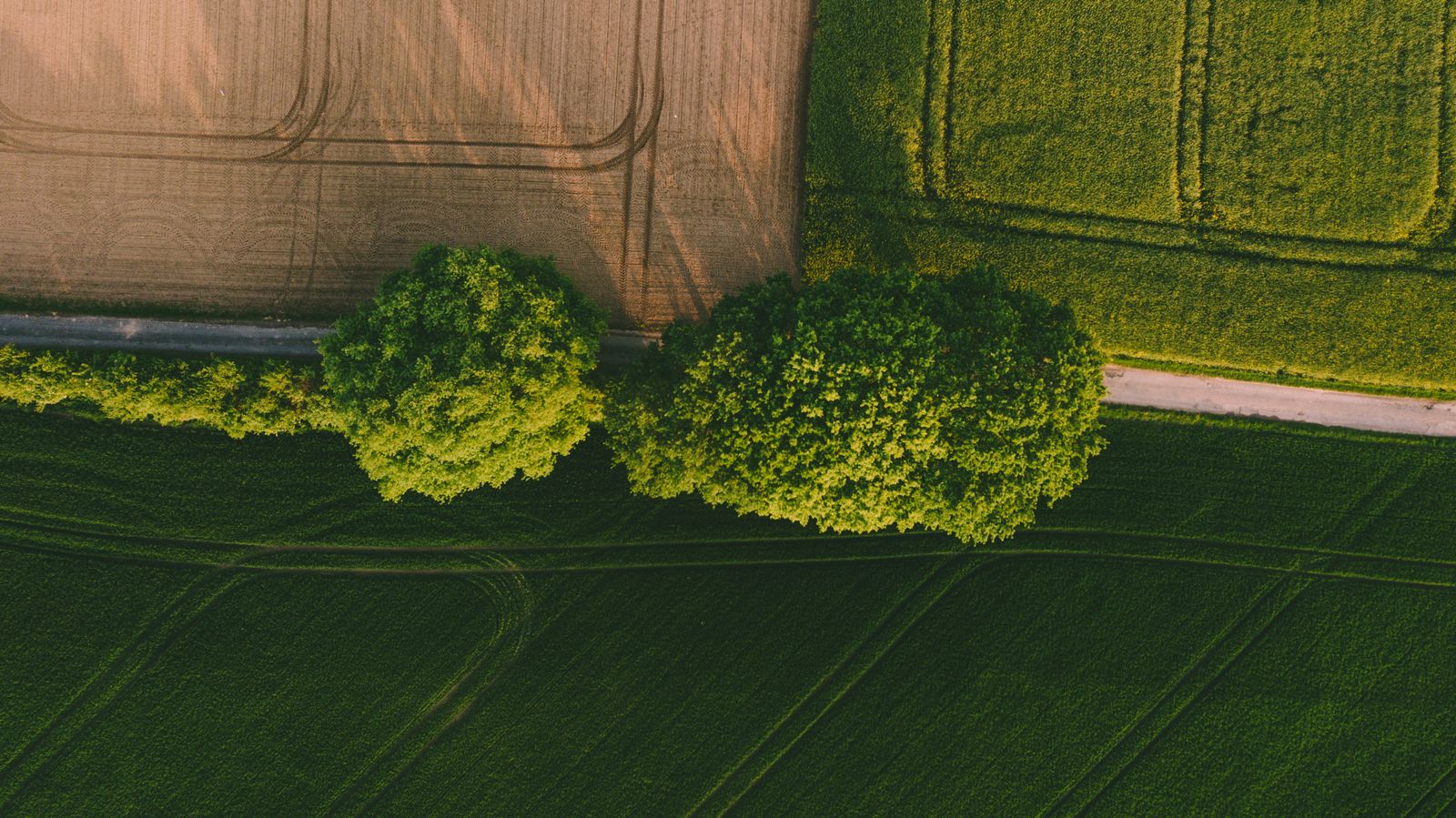
Why India's Farmland Market Will Redefine Wealth Creation in 2026
From Coorg coffee estates to Ratnagiri mango orchards — farmland is quietly becoming the most resilient asset class in India. Here's the data, the demand, and the marketplace bringing order to chaos.
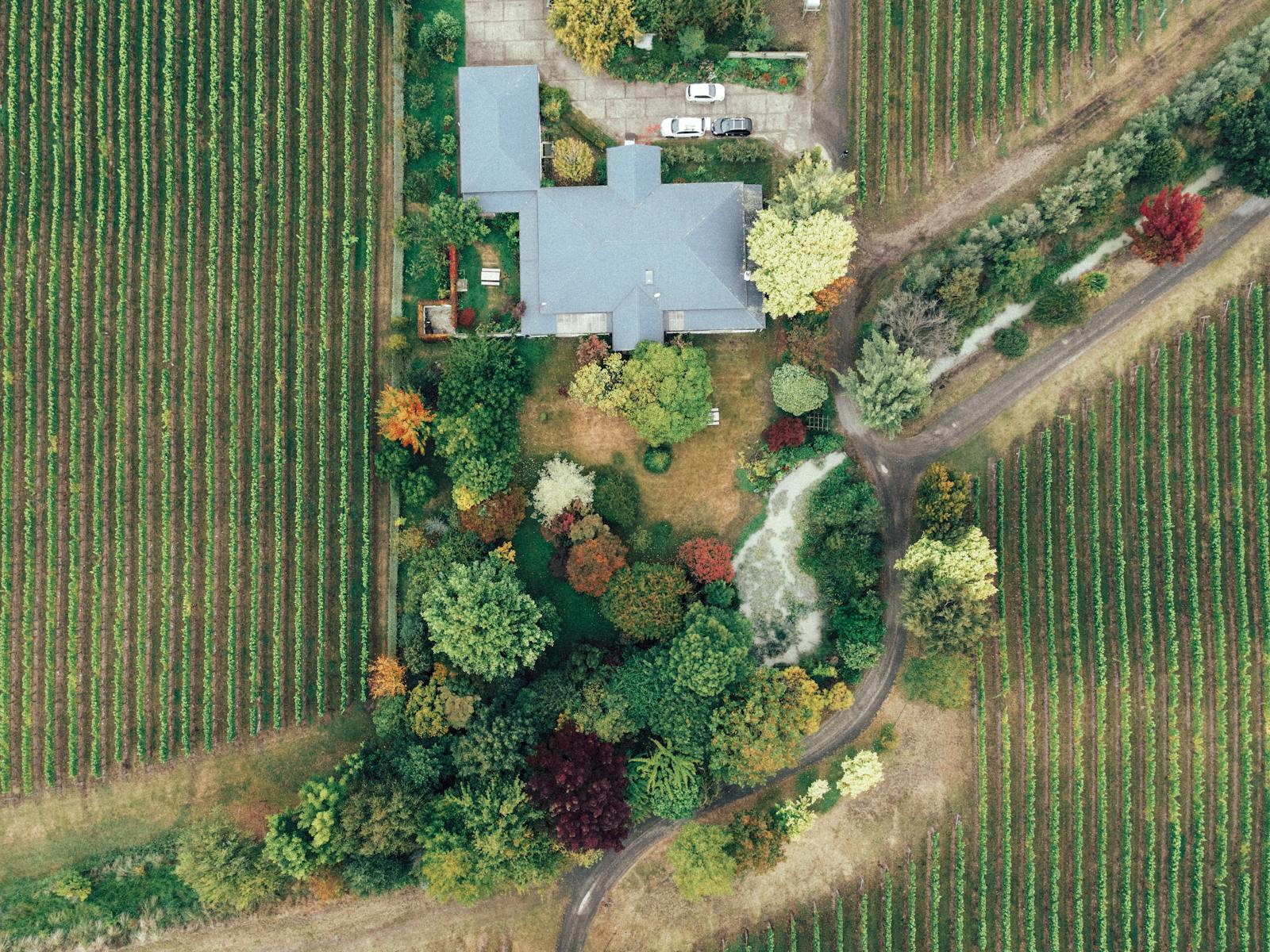
Every Government Scheme That Helps You Buy Farmland in India (2026 Edition)
PM-KISAN, KCC, Agri Infra Fund, SFAC equity — the central and state schemes that genuinely lower the cost of farmland ownership. A working buyer's checklist.
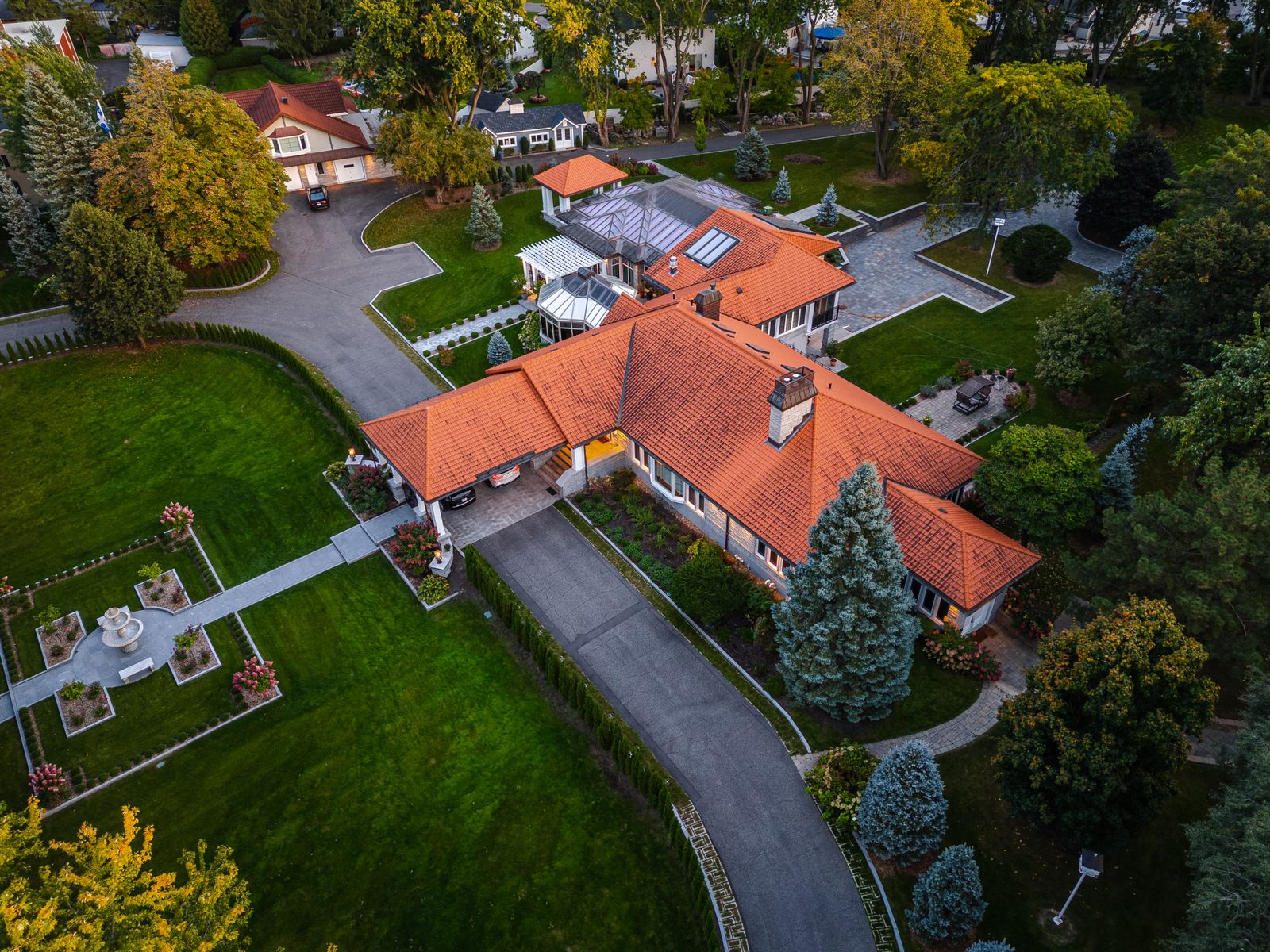
Carbon Credits on Your Farmland: The ₹40,000-per-Acre Annual Income Most Buyers Miss
How agroforestry, regenerative practices and bamboo cultivation turn farmland into a recurring carbon-credit revenue stream. The verification methods, the buyers, and the math.